AI-Powered 3D Model Generation: Tools, Uses, and the Future
AI-powered 3D model generation is transforming the way digital objects, scenes, and environments are created. What once required advanced technical skills and long production times can now be achieved through text, images, or automated processes driven by artificial intelligence.
This technology is having a direct impact on fields such as digital art, education, augmented reality (AR), virtual reality (VR), gaming, and the metaverse, democratizing access to 3D creation.
What Is AI-Powered 3D Model Generation?
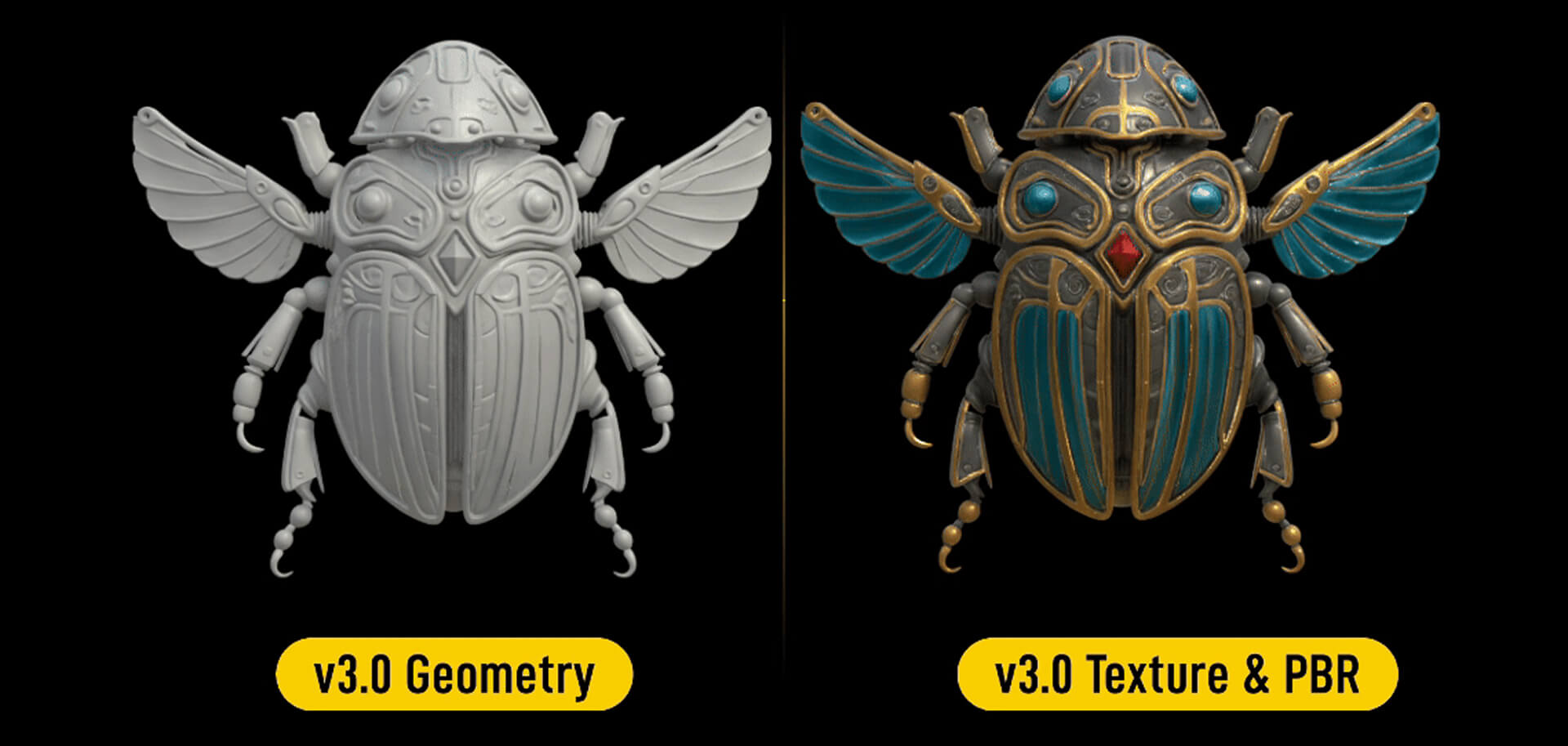
AI-powered 3D model generation refers to the use of machine learning algorithms to create, reconstruct, or assist in building three-dimensional geometry automatically.
Unlike traditional 3D modeling, these systems enable creators to:
- Generate 3D models from text (Text-to-3D)
- Reconstruct objects from images (Image-to-3D)
- Digitize real-world spaces
- Optimize meshes, textures, and topology
The result is a faster, more accessible workflow focused on creativity rather than technical complexity.
Main AI Approaches in 3D Modeling
- Text-to-3D: Generates 3D models from written descriptions. Ideal for rapid prototyping, concept art, and creative exploration.
- Image-to-3D: Reconstructs 3D objects from one or multiple images, widely used in product visualization and cultural heritage digitization.
- NeRFs and Spatial Reconstruction: Neural Radiance Fields (NeRFs) allow for highly realistic reconstruction of full scenes, especially valuable for XR experiences and digital twins.
- Assisted Generation and Optimization: AI is also used to improve topology, reduce polygon count, generate UVs, and apply textures automatically within professional pipelines.
Best AI Tools for 3D Model Generation in 2025
Below is a curated selection of the most relevant AI tools for 3D model generation, based on adoption, innovation, and current ecosystem relevance.
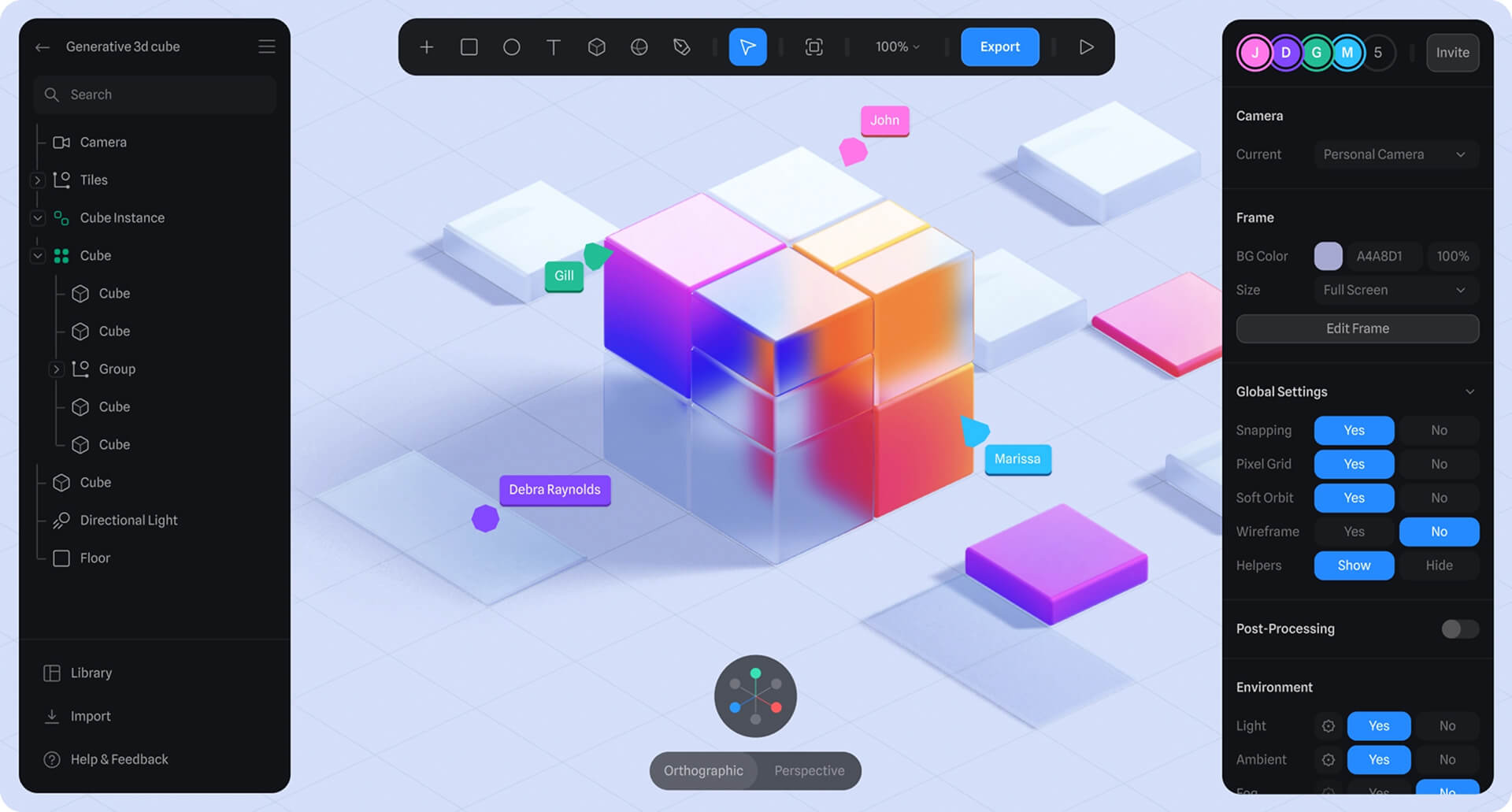
Spline
A web-based 3D design platform that integrates AI features for creating interactive objects and scenes in real time.
Primary use cases: Automated 3D generation, research, and advanced production pipelines.
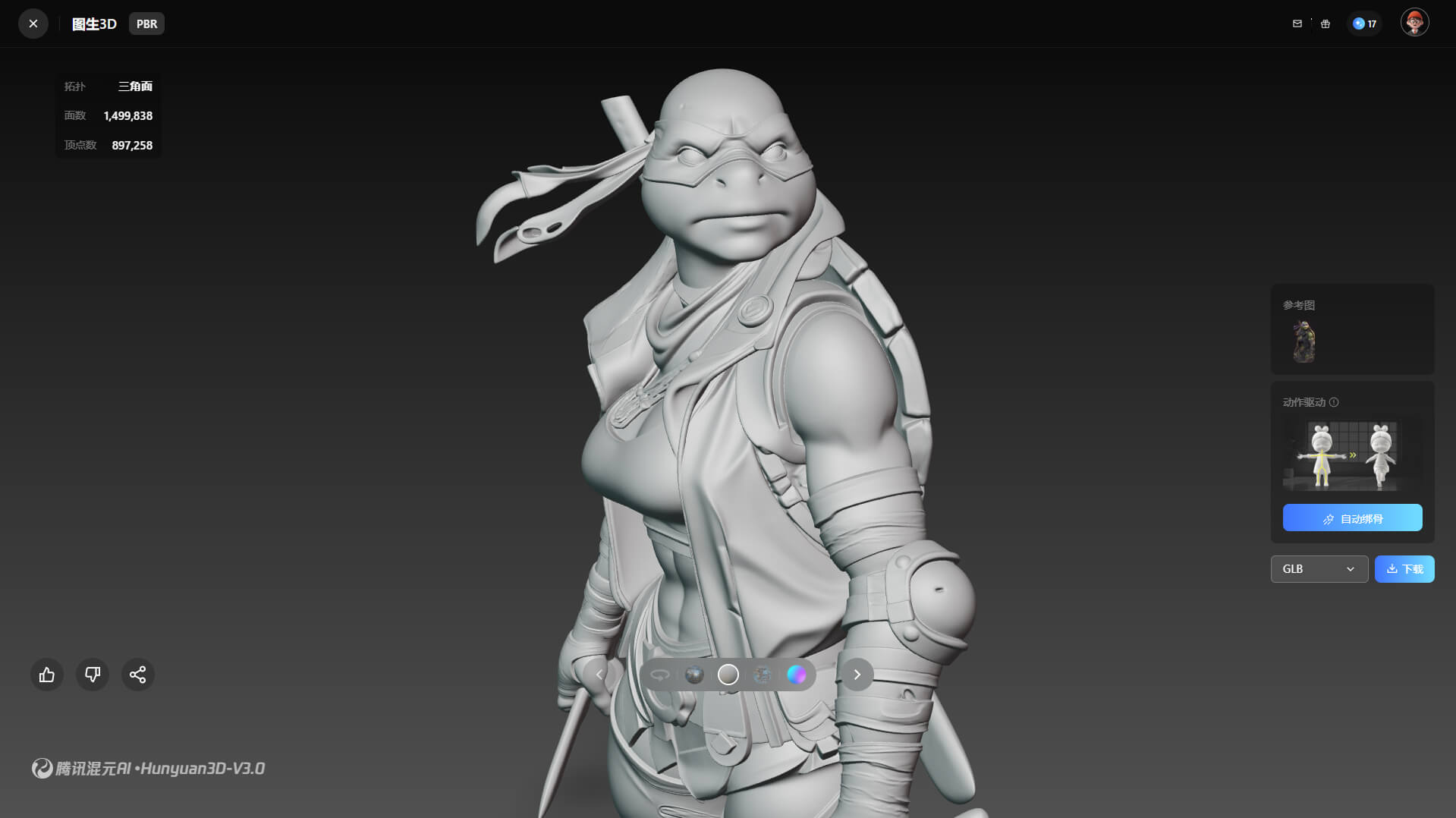
Tencent Hunyuan3D
An advanced Text-to-3D model developed by Tencent, focused on geometric quality, structural coherence, and scalability.
Primary use cases: Automated 3D generation, research, and advanced production pipelines.
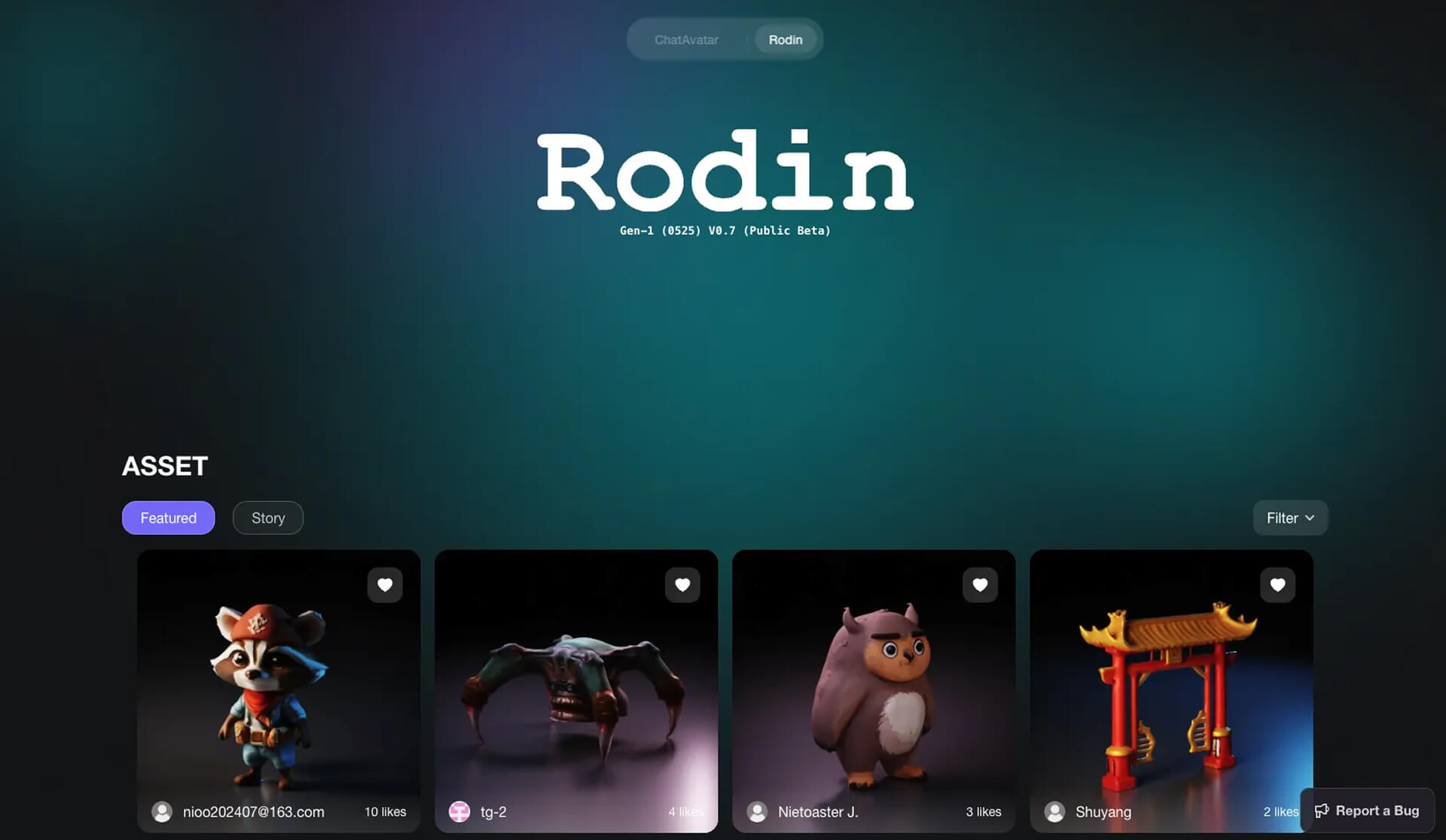
Rodin (Hyper 3D)
A platform specialized in generating optimized 3D models from text or images, with a strong focus on clean topology and engine compatibility.
Primary use cases: Video games, AR, VR, and professional asset production.
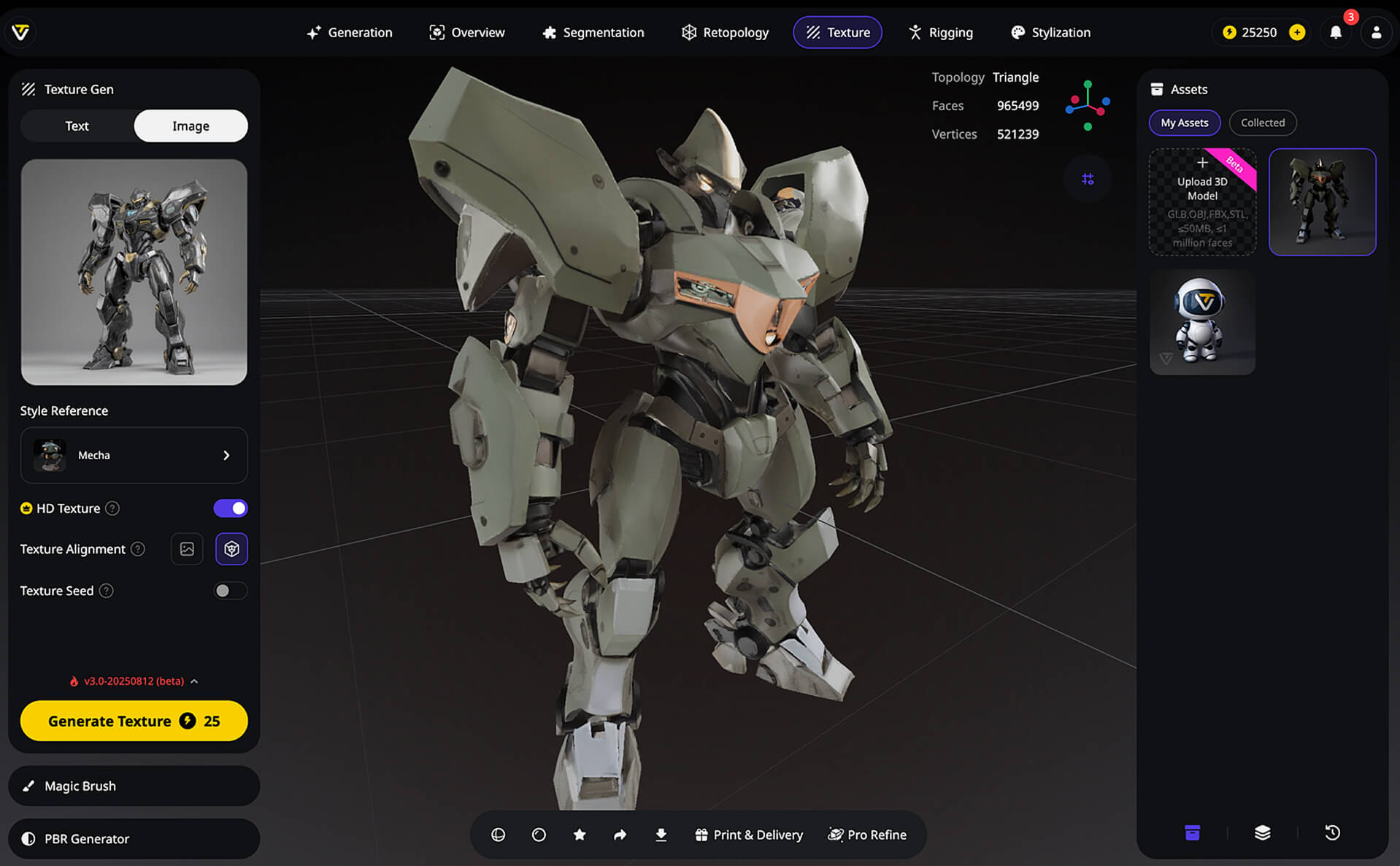
Tripo
A tool designed for fast generation of stylized 3D models using simple prompts, prioritizing speed and ease of use.
Primary use cases: Concept art, creative exploration, and education.
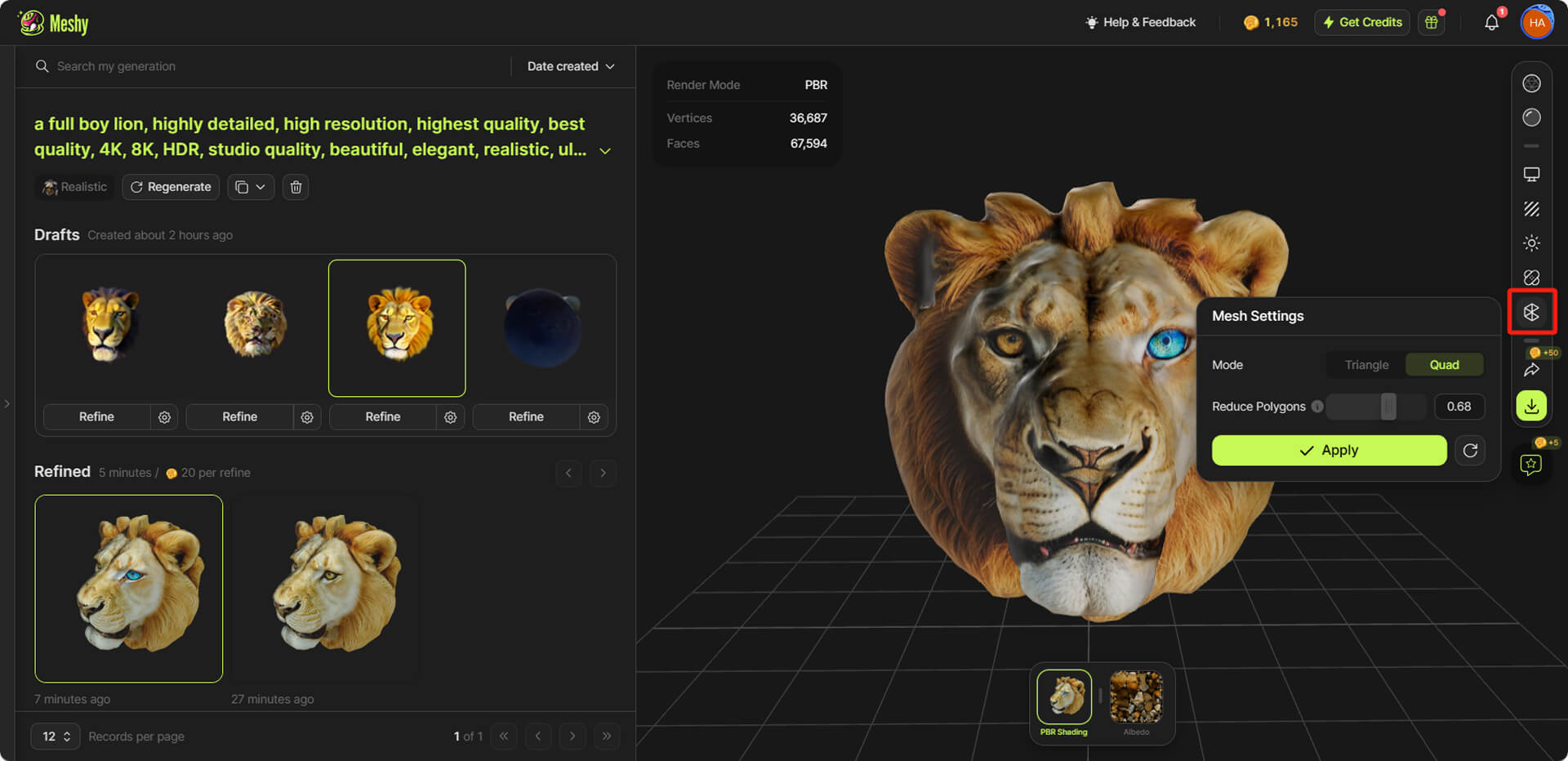
Meshy
One of the most popular platforms for Text-to-3D and Image-to-3D, offering direct export to game engines and XR environments.
Primary use cases: AR, VR, rapid prototyping, and independent creators.
Applications of AI-Powered 3D Model Generation
AI-driven 3D generation has direct applications across multiple industries:
- Digital art and design
- Education and 3D learning platforms
- Augmented and virtual reality
- Metaverse and virtual spaces
- Architecture and product design
These tools enable the creation of complex visual experiences without relying exclusively on traditional technical workflows.
Challenges and Considerations
Despite rapid advancements, several challenges remain:
- Precise control over geometry and scale
- Structural consistency in complex models
- Copyright and data usage concerns
- Integration into professional workflows
For this reason, AI should be understood as a complementary tool, not a replacement for human creativity and judgment.
The Future of AI-Driven 3D Creation
The convergence of AI, 3D, and immersive technologies is redefining how digital spaces are created. In the near future, 3D creation will become increasingly intuitive, accessible, and narrative-driven.
The real value will not lie solely in generating objects, but in designing experiences, telling stories, and enhancing learning through three-dimensional space.